Strengthened Cybersecurity for Ukraine’s Ministry of Foreign Affairs and Diplomatic Services
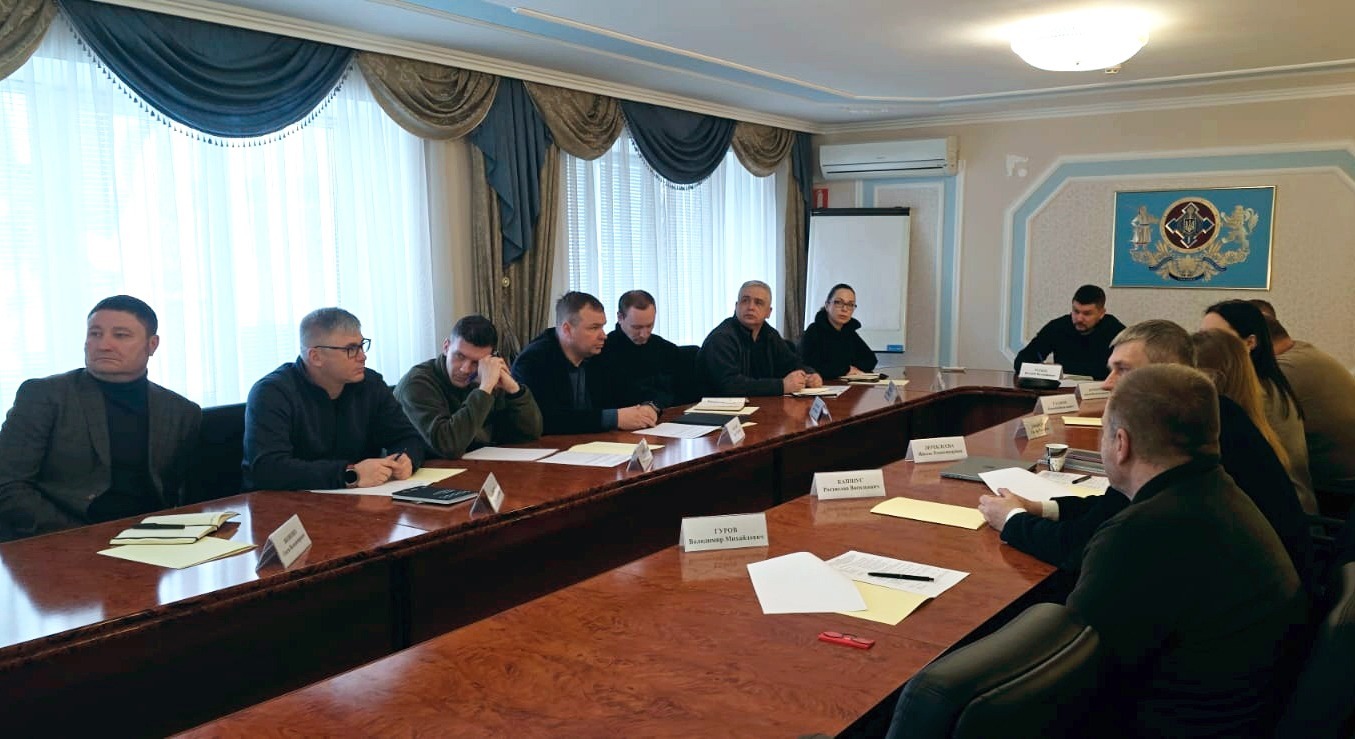 A working group meeting was held at the National Security and Defense Council of Ukraine to enhance the cybersecurity of the Ministry of Foreign Affairs (MFA) and Ukraine’s diplomatic missions abroad. The initiative aligns with the National Cybersecurity Strategy of Ukraine and aims to increase the resilience of critical systems amid Russian aggression, including in cyberspace.
Since the start of Russia’s full-scale invasion in 2022, MFA information and communication systems have faced persistent, targeted cyber operations by hostile intelligence services. The objectives of these attacks include intelligence gathering, discrediting Ukraine internationally, and attempting to weaken global support for the country.
To address these challenges, in December 2022, the National Cybersecurity Coordination Center at the NSDC established an interagency working group to implement a cyber incident management system within the MFA. This system allows timely detection and prevention of unauthorized activity and was developed with contributions from the NSDC, MFA, Security Service of Ukraine, State Service for Special Communications and Information Protection, and Foreign Intelligence Service. The system is now fully operational.
Valerii Churkin, NSDC Coordinator for Digitalization, AI, and Cybersecurity, emphasized that the MFA’s experience in building a resilient IT architecture under constant adversary pressure serves as a valuable model for the broader public sector.
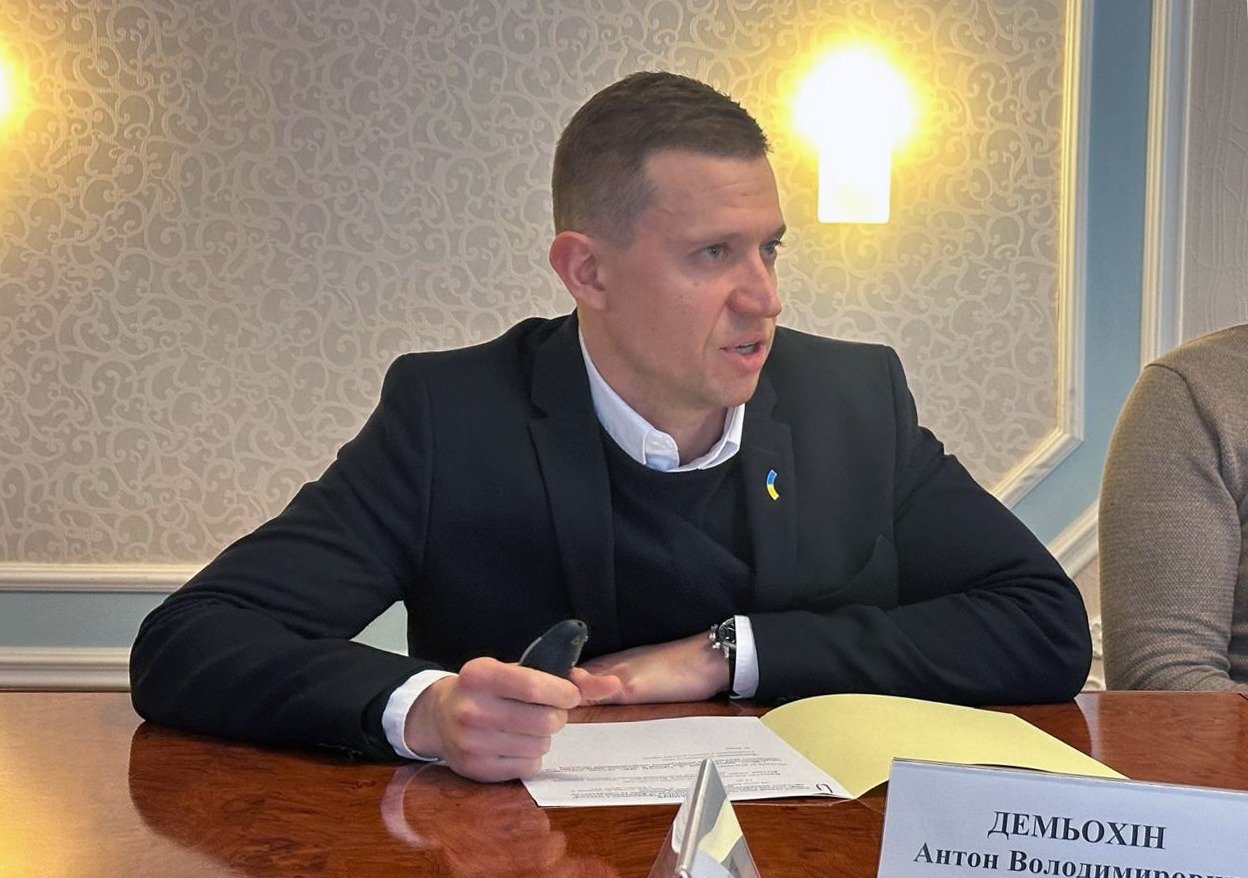 Anton Demyokhin, Deputy Minister for Digital Development, Digital Transformation, and Digitalization, presented the MFA’s progress, noting that modern diplomacy and digital service delivery require a secure and resilient IT infrastructure capable of continuous operation, particularly during wartime. The modernization of MFA ICT systems is crucial to ensuring stable operations of diplomatic missions and delivering quality services to Ukrainian citizens abroad.
From 2023 to 2025, practical measures were implemented to modernize existing infrastructure, including:
Updating ICT architecture
Deploying a high-tech data processing core
Network modernization
Centralized IT resource management
Scaling computing capacity
Decommissioning potentially unsafe equipment
Aligning the MFA’s digital ecosystem with global best practices
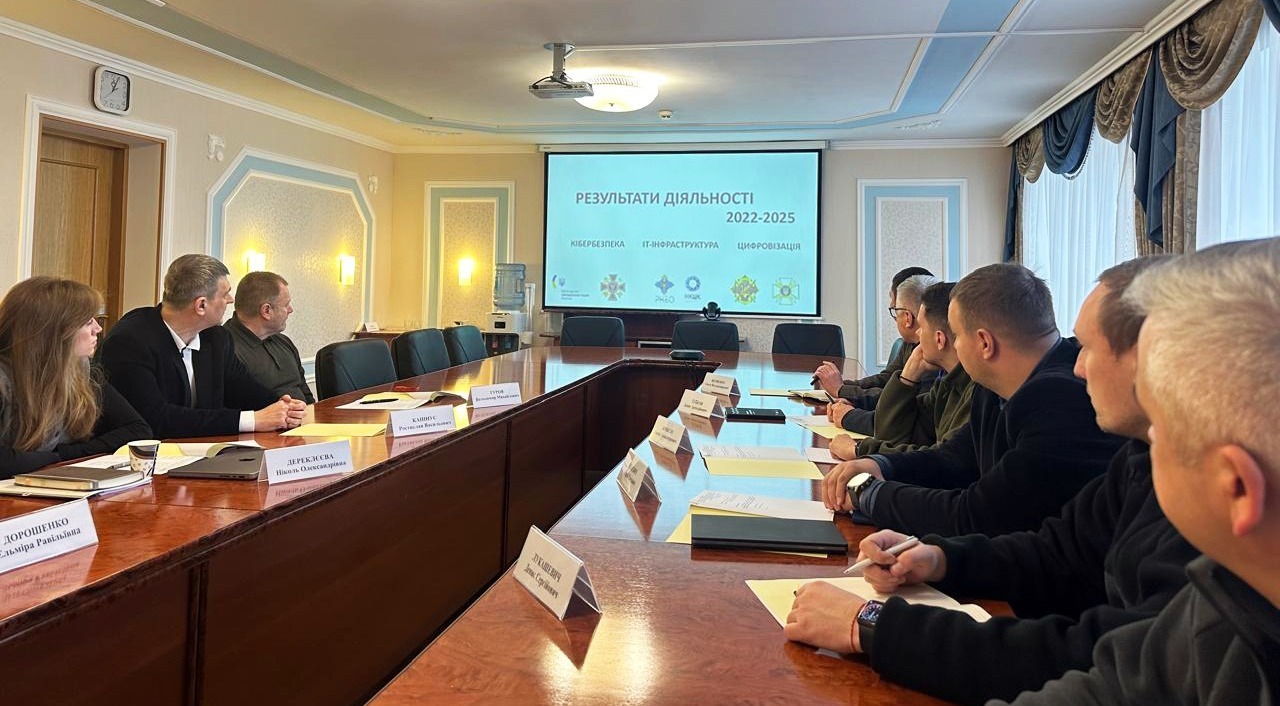 Despite ongoing cyberattacks and intelligence operations from the aggressor state, MFA systems continue to operate stably, ensuring uninterrupted consular services. Implemented solutions enable online document submission, electronic user identification via Diia.Sign and BankID, improving consular processes.
Nataliia Tkachuk, Head of the Department of Information Security and Cyber Defense at the NSDC, highlighted the need to enhance cybersecurity for senior government officials during international cooperation activities.
The National Cybersecurity Coordination Center at NSDC continues systematic efforts to strengthen interagency coordination among key cybersecurity actors, enhancing the resilience of state information resources and critical systems, including in the foreign policy sector.